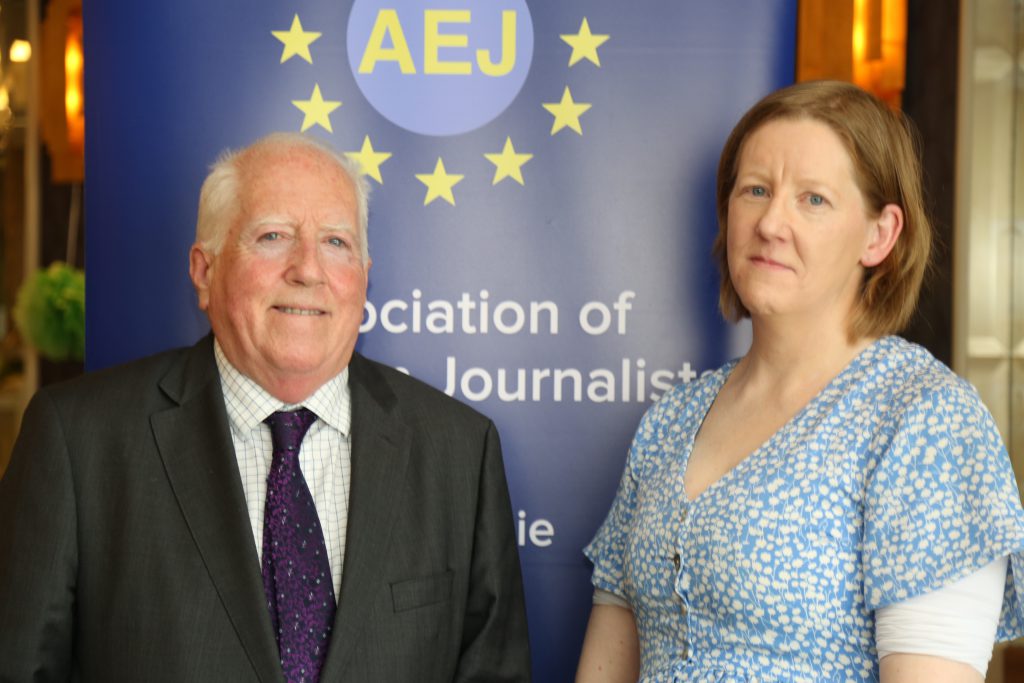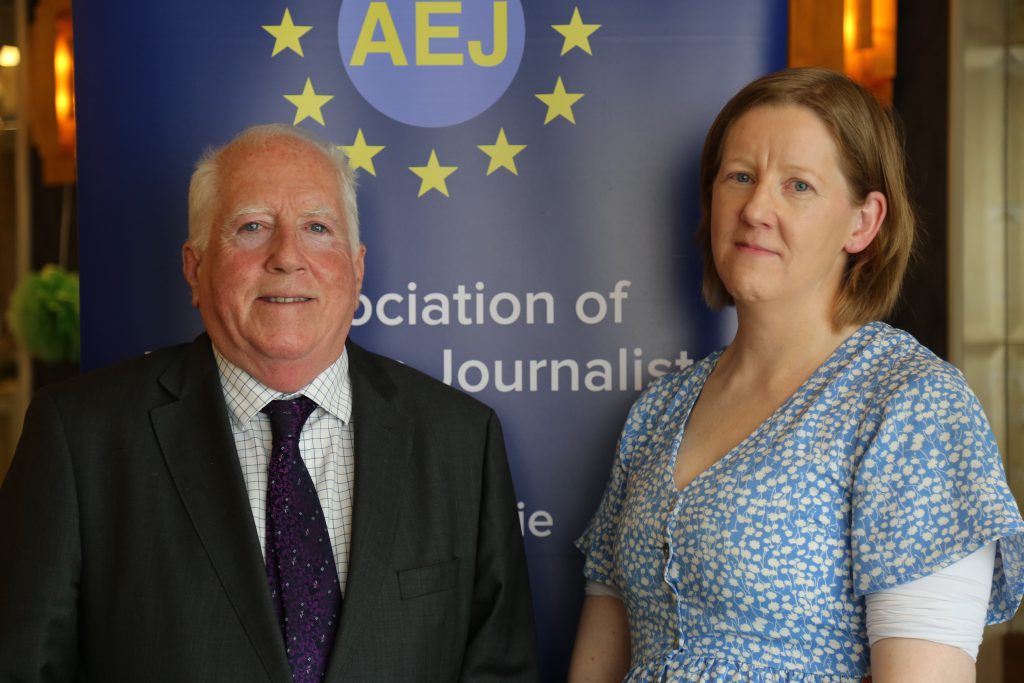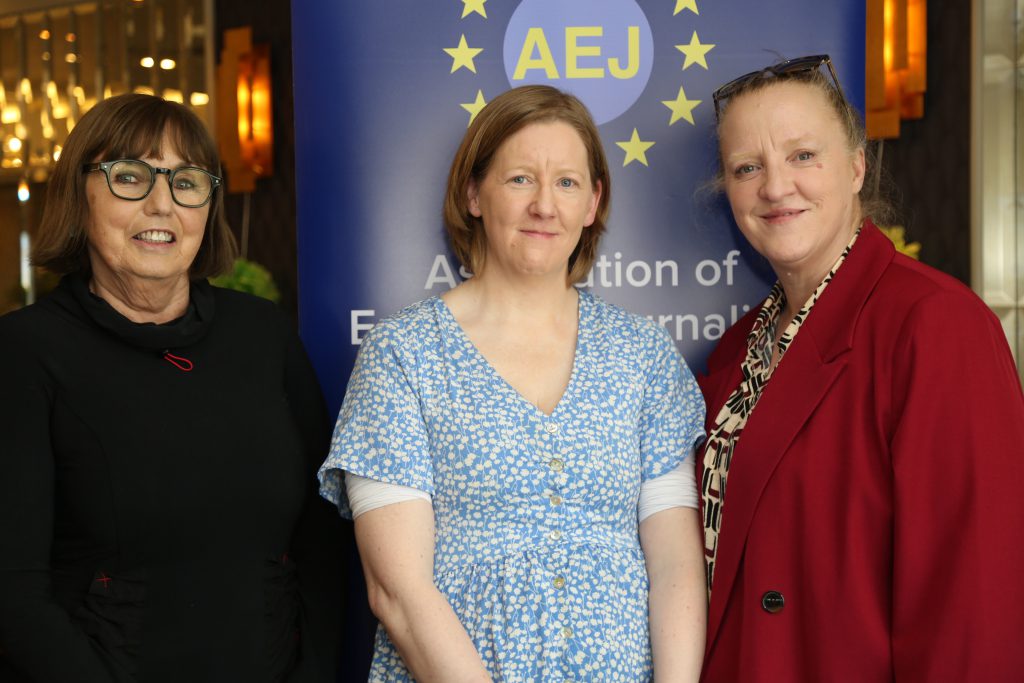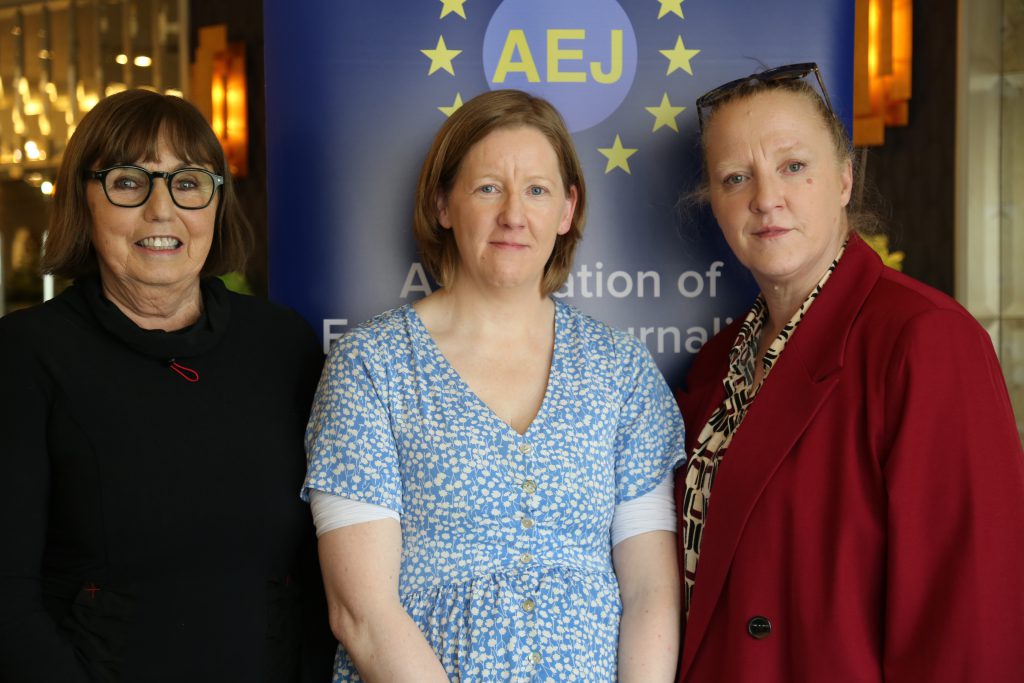

Address by Dr Elaine Byrne, Chair of the Policing and Community Safety Authority
Friday, 20th March, 2026
The Policing and Community Safety Authority, PCSA, was established on 2 April 2025 under the Policing, Security and Community Safety Act 2024. We are an independent statutory body responsible for oversight of An Garda Síochána in respect of the delivery of policing services. We comprise an authority of nine members who are supported by an executive team under the CEO. We are the successor organisation to the Policing Authority and the Garda Inspectorate.
Our core objective is to oversee and assess the performance of An Garda Síochána in providing policing services to communities across Ireland.
In respect of the introduction and use of AI and other emerging technologies in policing, we recognise that the overarching legal framework and pivotal decisions on whether and how to utilise them are primarily matters for the Oireachtas through the establishment of underpinning legislation. Thereafter, the manner in which they are introduced and given operational effect is the prerogative of the Garda Commissioner, the Garda board, the Department of Justice, Home Affairs and Migration and wider Government. Our involvement in this process is through the provision of informed advice on policing matters and as a statutory consultee.
As the independent oversight body, our primary role in this space is to monitor the implementation and use of these systems by An Garda Síochána in its provision of policing services. As such, our strategy for 2026 to 2028 contains a priority action to scrutinise the adoption of new and evolving technologies by An Garda Síochána to ensure their use is appropriate and proportionate. In practice we will place a key focus on how the use of AI is consistent with the statutory functions of An Garda Síochána and policing principles, namely, that its use is necessary, proportionate and lawful; that it protects, vindicates and does not inappropriately infringe on human rights; that it supports effective administration of justice; that it is understood by and considers the experiences of the public; and that it is undertaken in an ethical and professional way.
We are also closely following international policing research, developments and best practice to inform our work. Current and future AI adoption is a critical matter for society with all sectors currently grappling with its potential benefits, risks and impacts. Its introduction is largely a case of when rather than if. Policing is no different. Considering the use of AI in the context of policing is different given the power vested in police services. In particular, given that An Garda Síochána is both a national police and security service, there are heightened considerations to be given to the safeguards and governance around its introduction and use. The adoption of AI by An Garda Síochána has already commenced and is likely to be further facilitated through new and planned legislation such as the Garda Síochána (Recording Devices) (Amendment) Bill 2025 and that concerning live facial recognition. We recognise that emerging technologies including AI can have significant benefits for policing and the service offered to the public, including victims of crime. Emerging technology can assist in the prevention, investigation and detection of crime. It can also contribute to the more efficient management of the Garda organisation. It is also important to remember that AI and emerging technology can be and currently are utilised and exploited by those engaged in criminality and those who seek to threaten the security of the State. This can include the spread of misinformation and disinformation, the creation of illegal images and the execution of widespread cyber fraud activity.